Podcast: Agile Testing Condensed with Janet Gregory and Lisa Crispin

Theo England

This month on the Cucumber Podcast, we sat down with Janet Gregory and Lisa Crispin to talk about their latest book, Agile Testing Condensed. Between them, they have a wealth of real-world experience helping agile teams think differently about testing. This conversation not only covers what you can expect to find in their book, but a wide-range of stories of best practices and the role of testers over the years. Matt Wynne and Seb Rose are asking the questions.

What it takes to be a CUKE

Matt Wynne
Project Lead of Cucumber

The team at Cucumber are a special bunch.

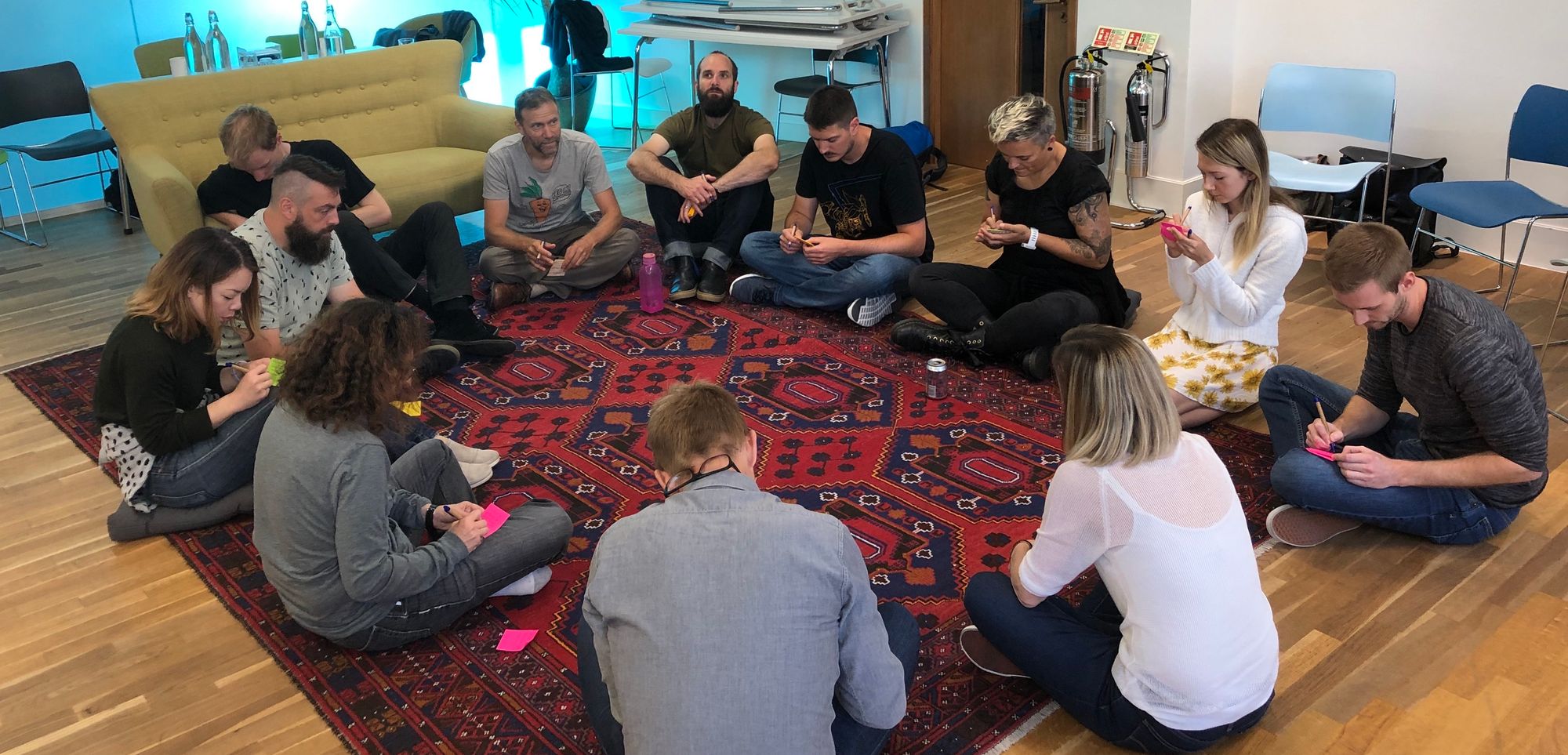
Looking back on the first quarter since we were acquired by SmartBear, we took a day out together to reflect on that special-ness. We wanted to try and distill our culture so that we can be deliberate in protecting, celebrating, and spreading it as we integrate into the wider organisation.

Who should formulate the scenarios?

Seb Rose
Co-author of The BDD Books

This was extracted from BDD Books 2 - Formulation by Seb Rose & Gáspár Nagy.

Over the past few years, there has been a growing recognition that BDD is an approach made up of three practices.

During Discovery, the team will capture concrete examples of how the system is expected to behave. While doing this, they will also uncover important business terminology. Formulation is the process of transforming the concrete examples into business-readable specifications that will guide development and document the product for its whole lifetime.

Who should formulate the scenarios?

What is "good code"?

Matt Wynne
Project Lead of Cucumber

I don't know if anyone's counting, but the human race must be creating millions of lines of code every day. It seems to me it would be useful to think about how we judge the value of that code.

I'll run through some of the common answers out there to this question and offer a couple of my own. I've presented them in a rough priority order, starting with the most fundamental, but ending with perhaps the most important.

Keep your scenarios BRIEF

Seb Rose
Co-author of The BDD Books

Over the years that we have been using Gherkin, our approach to writing scenarios has evolved. Because Gherkin is very close to natural language it's very easy to learn, but just like writing reports or stories, it takes practice to do it well. There are three main goals that we try to keep in mind when writing scenarios:

  • Scenarios should be thought of as documentation, rather than tests.
  • Scenarios should enable collaboration between business and delivery, not prevent it.
  • Scenarios should support the evolution of the product, rather than obstruct it.

The following six principles work together to support these goals. To make them easier to remember, we've arranged it so that the first letter of each principle makes up an acronym, BRIEF, which is itself the sixth principle.

Example-guided development: A useful abstraction for the xDD family?

Matt Wynne
Project Lead of Cucumber

Example-guided development is a suggested new catch-all term for the family of practices variously known as Test-Driven Development (TDD), Behaviour-Driven Development (BDD), Acceptance-Test-Driven Development (ATDD) and Specification by Example (SbE) that has been causing a bit of excitement in the agile community. This post aims to give you a summary of where this new term comes from and why it could make a useful addition to our industry's vocabulary.

Cucumber Ltd acquired by SmartBear

Aslak Hellesøy
Creator of Cucumber
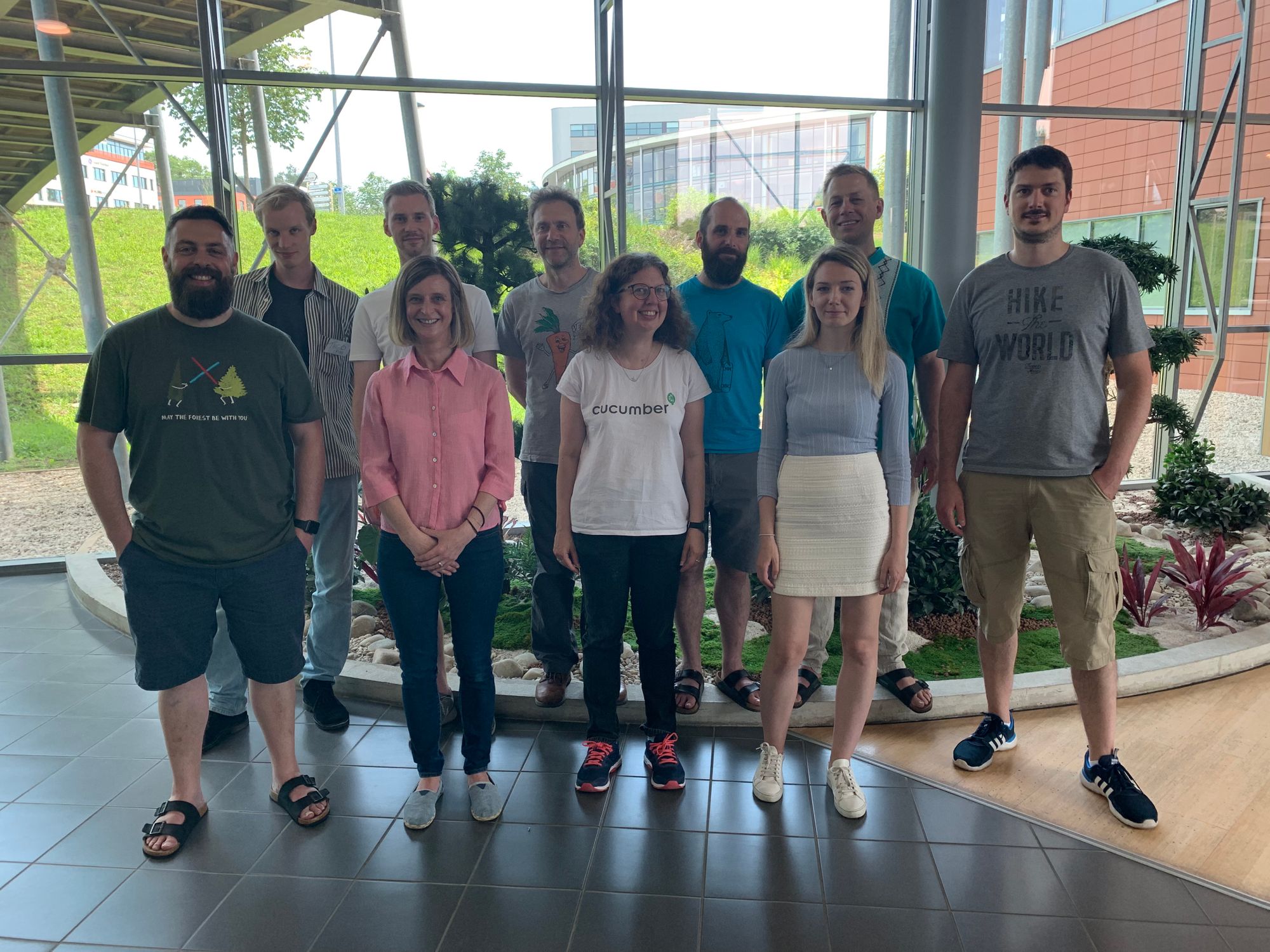
The Cucumber Ltd employees, 25 June 2019

When we founded Cucumber in 2013, our goal was to provide commercial services and products that would fund the development of the Cucumber open source project.

Today I’m excited to announce that Cucumber Ltd has been acquired by SmartBear. We have spent half a year getting to know each other, and I am very confident that the Cucumber project will be in good hands.